The assault at the Mravčice bridge — the price of a river
The assault at the Mravčice bridge — a maneuver that must not be paid for with blind arrogance
The situation in our operational sector is accelerating fast. The Polish 23rd Territorial Defense Brigade is falling back from the Grabek river line toward the Czech border through the pine woodland of Suchy Bór Wschodni. At headquarters in Kołogonty-Dolne some are already drawing arrows of swift victory toward the Mravčice bridge and further to Ostrava, but I have seen too many battles to give in to that intoxication. Yes, the morale of the Poles has cracked after a night of continuous fire on the floodplain dykes and the pontoon ribbon at Pustówka; they are falling back under pressure and losing cohesion. But I caution against writing them off prematurely. A wounded territorial defense unit, driven into the pine forest and knowing the Czech 15th Motorized Battalion is right behind it, bites back very hard. They still have 122 mm mortars, anti-tank missile teams, and an intimate knowledge of every oxbow around Pustówka. Treating them as harmless would be a fatal mistake.
Moreover, the situation on the line itself is growing more complex. The approaches to the reception line at Mravčice and the bridge over the Grabek are being reinforced by the fresh Czech 15th Motorized Battalion — well-equipped forces tasked with receiving the retreating Poles and forming a solid screen. If the remnants of the Polish 23rd manage to regroup behind that line, we will not be facing a fractured enemy but a coordinated defense anchored on prepared positions at the fishery dyke and on the dominant hill Rybníček-1.
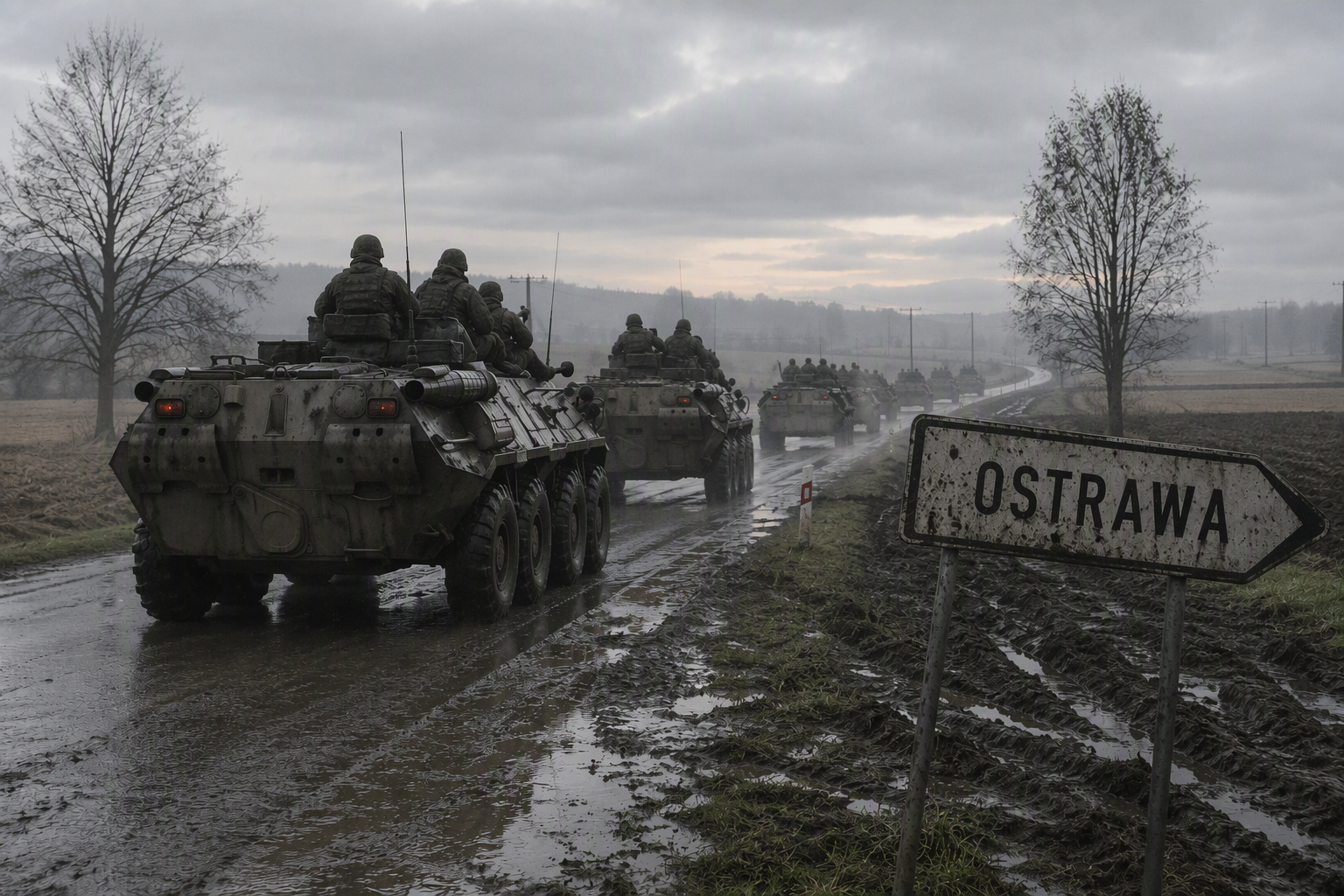
Our command is preparing a mass assault on the Mravčice bridge and onward to Ostrava. From an operational standpoint the direction makes sense — the Grabek crossing connects the two rail branches that the Czechs are using to feed reinforcements, and capturing it breaks the logistical spine of the entire southern wing. However, the risks are immense, and no one in the rear should have any illusions:
-
The trap of the floodplain and peat bog: The approaches to Mravčice run across an open floodplain cut through by drainage ditches and shallow oxbows. Here our armor loses its maneuver, and every ditch becomes a ready-made ambush site.
-
Overextended logistics lines: As we push deeper into the floodplain, our fuel tankers and ammunition trucks are forced to move along a single sandy forest ribbon behind the assault columns. As I wrote before — without fuel and shells, the most elegantly planned attack turns into a meat grinder.
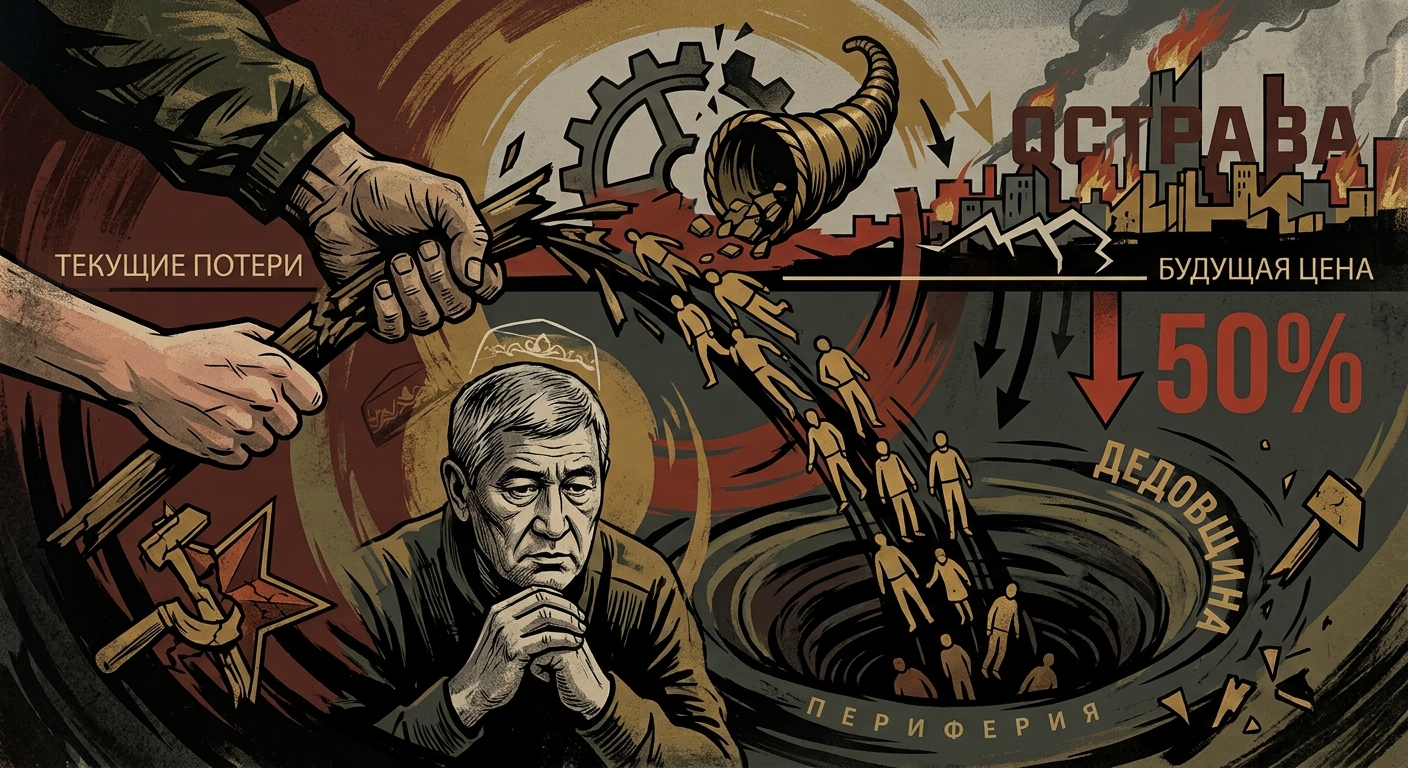
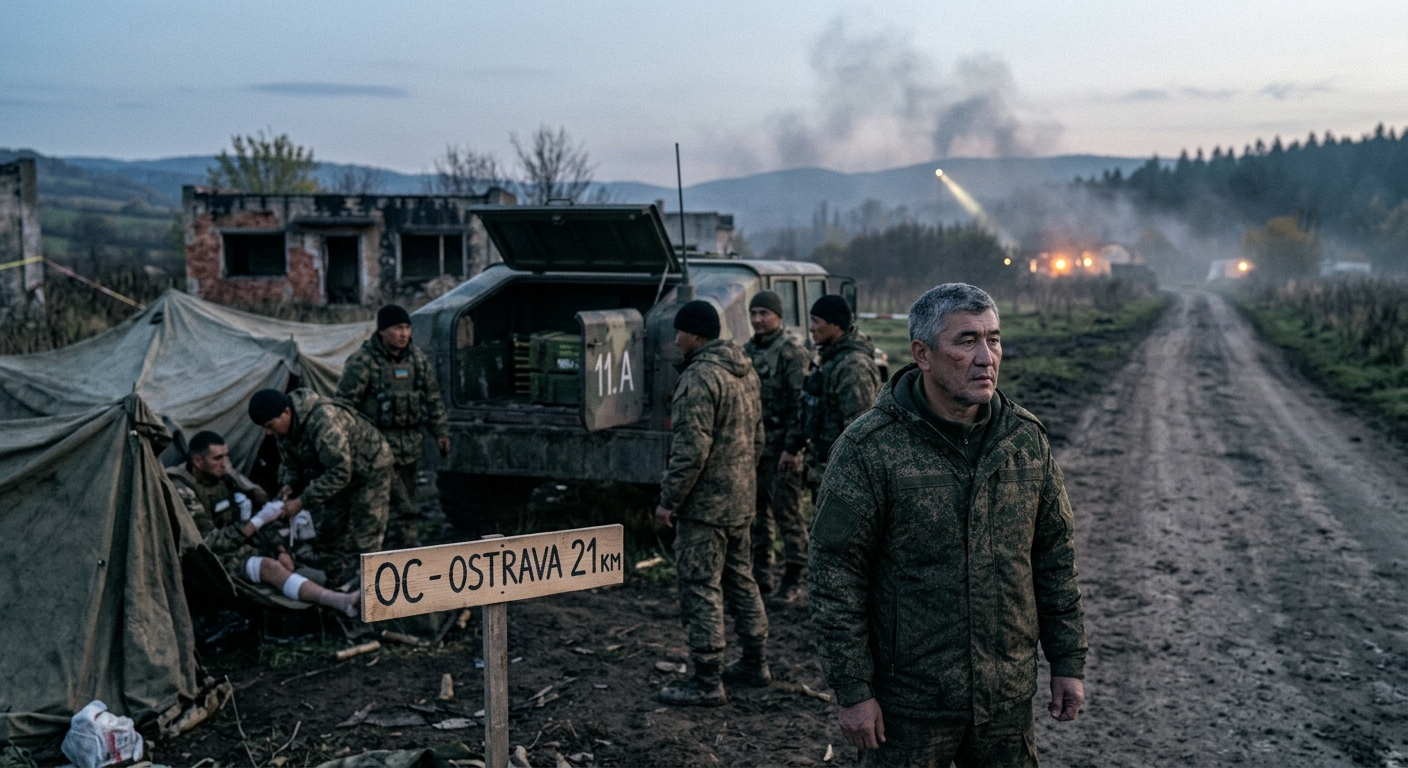
And there is one more reality eating at my conscience — something that turns my stomach as a veteran who remembers what true comradeship meant. Look closely at who is going in the first wave across the shattered pontoon, who is storming the sawmill beneath Pustówka, and who is filling the manifests at the field hospital in Kołogonty-Dolne. It is not the sons of the elite comfortably settled in the Capital. The comfortable classes in the center drink their morning coffee in heated cafes, safely shielded by exemptions, connections, and bureaucratic paperwork, completely detached from the stench of cordite and peat smoke.
The brunt of this bloody push is borne almost entirely by the disadvantaged — the lads from Chuvash villages beyond the Sura, from deep back-country in Mari El, from forgotten factory towns and Volga hamlets, who had no choice in life and nowhere else to turn. They are the ones paying the horrifying toll on this floodplain. When these boys fall on the pontoon ribbon, an entire generation of working hands vanishes from communities that were already barely surviving.
The assault at Mravčice must not become a reckless meat grinder that treats the poorest among us as cheap, expendable fuel. A just cause demands prudence, precise artillery support, and genuine equality of sacrifice. If our state wants to claim moral standing, it cannot protect the sons of the Capital while bleeding the Volga periphery dry. We need commanders who value every single life on the line — especially those from the margins who have given everything for this flag.