Fault Line at the Crossing
Fault Line at the Crossing: As the Polish 23rd Territorial Defense Brigade Comes Apart, the 9th Combined Arms Army Fractures from Within
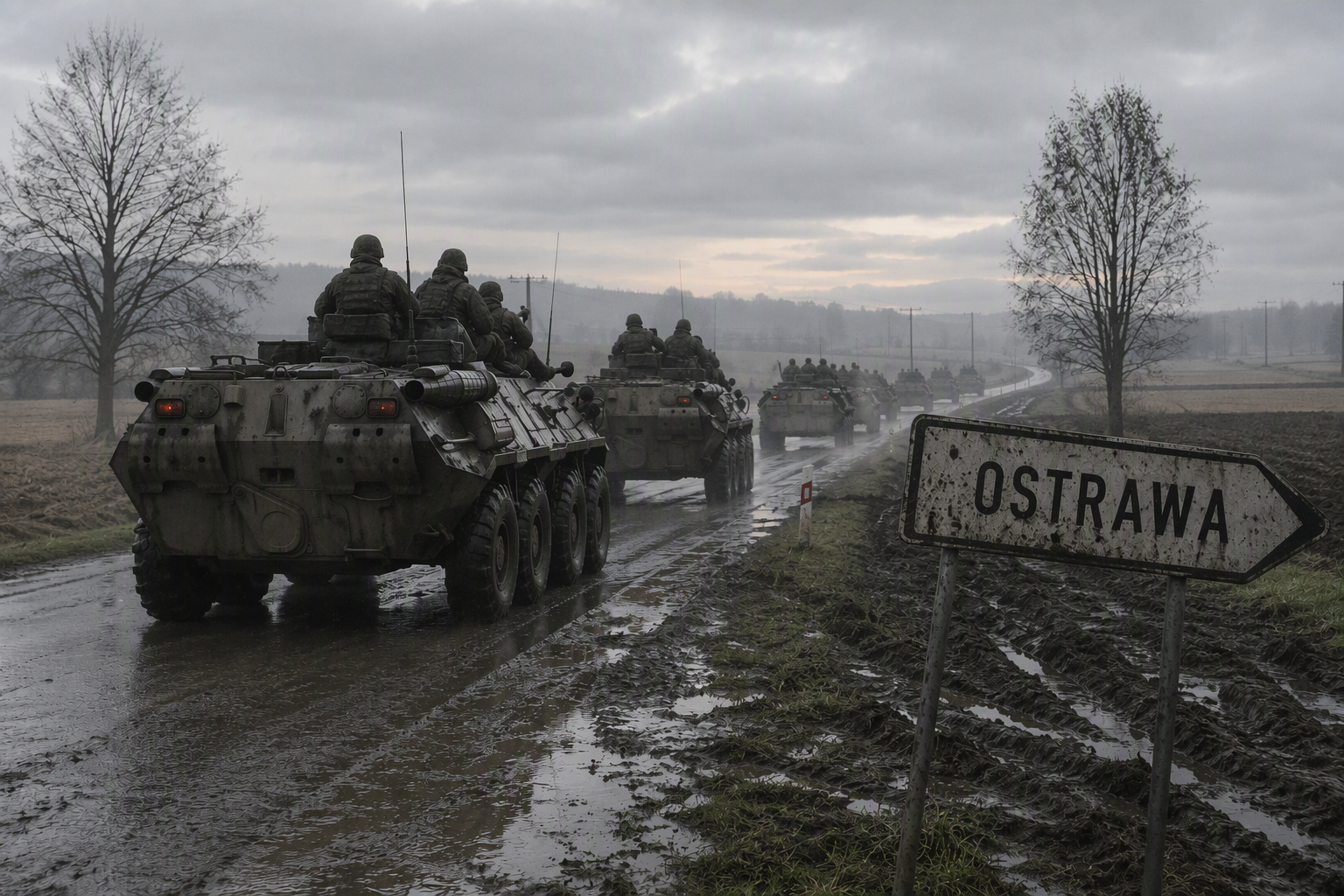
The collapse of the Polish defense along the Grabek river line has pushed the battered Polish 23rd Territorial Defense Brigade into a fighting, disorderly withdrawal toward the Czech border through the pine woodland of Suchy Bór Wschodni. Behind them, spearheads of the 9th Combined Arms Army (9CAA) press relentlessly southwest toward the Mravčice road bridge. Yet, beneath the operational map’s apparent momentum lies a mounting crisis inside the invading corps: a vanguard hollowed out by attritional warfare, profound internal ethnic resentments, and the return of coercive rear-guard tactics to keep troops in the fight.
The Collapse of the Polish 23rd Territorial Defense Brigade
Exhausted by consecutive days of high-intensity artillery bombardment and positional combat over the Grabek left bank and the crossing at Pustówka, the Polish 23rd Territorial Defense Brigade is buckling. Its light mechanized echelons have lost cohesive tactical communications, falling back along the congested sandy forest road and dirt tracks past Lesná Rybníček toward the buffer zone in front of Mravčice.
While severely depleted, the 23rd remains lethally armed and cornered. The risk of panicked, disorganized encounters at the approaches to the Czech reception line is acute. For the Czech 15th Motorized Battalion dug in along the dyke of the Lesná Rybníček fishery, managing the intake of these retreating elements while keeping their own anti-tank screens intact against pursuing forces is proving to be a high-stakes, chaotic operation.
Cannon Fodder at the Breaching Point
The 9CAA’s advance looks decisive on state news broadcasts, but field reports expose the human and structural cost of their tactical gains.
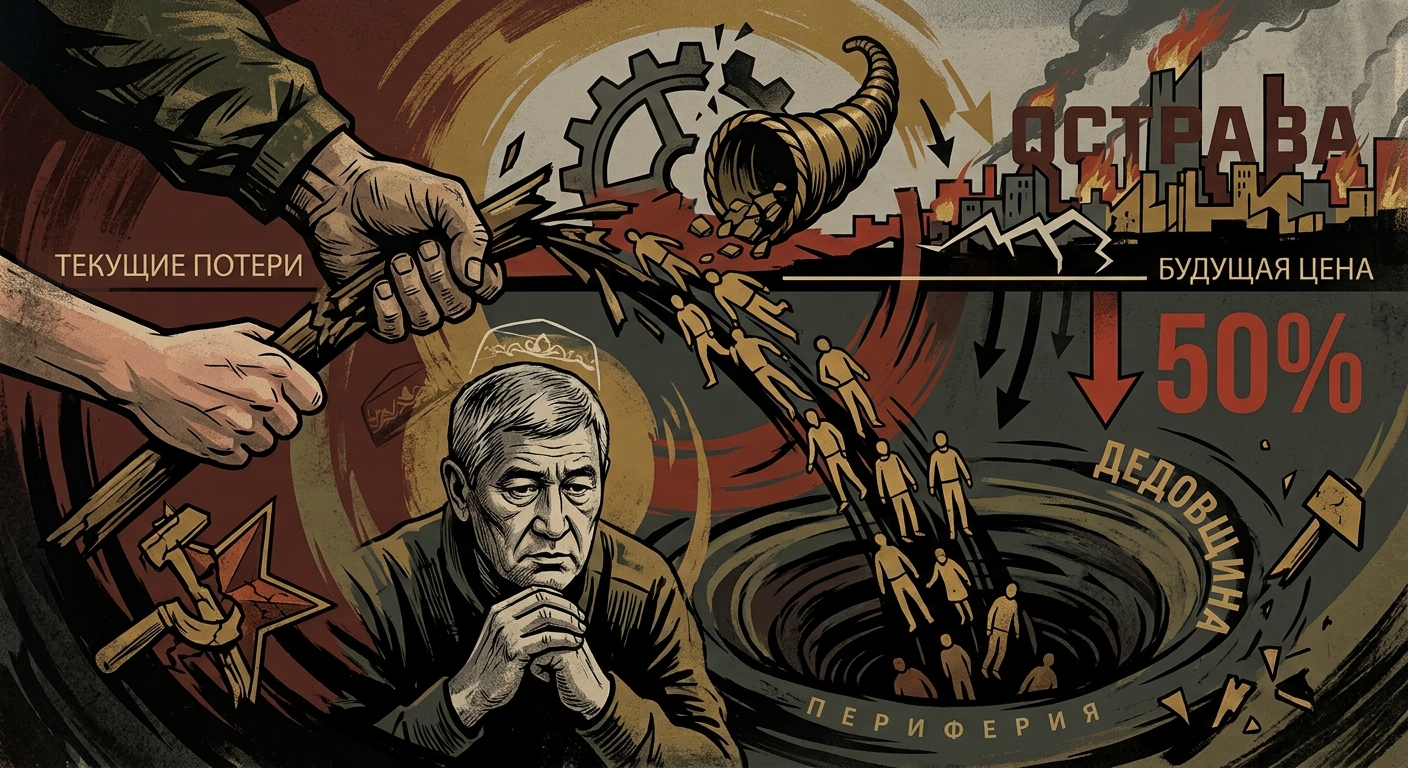
The assault battalions shoved into the teeth of Polish fortified floodplain dykes, willow groves, and the old drainage trench networks at Pustówka-Grabek are not the elite guard units. Intercepts and the field hospital manifests at Kołogonty-Dolne confirm that the forward breaching echelons of the 611th and 618th Independent Assault Battalions are drawn overwhelmingly from economically disadvantaged conscripts and ethnic minorities, predominantly recruited from Chuvash villages beyond the Sura and from deep back-country hamlets in Mari El.
These assault groups have borne the brunt of Poland’s pre-sighted 122 mm mortar kill zones on the pontoon ribbon and roving loitering-munition ambushes over the oxbow, sustaining staggering casualty rates. While senior command staffs and technical specialists remain shielded in armored mobile command posts five kilometers east of the bridgehead, forward infantry squads are ground down within hours of engagement.
Rotting Command and Sown Mistrust
This blatant disparity has curdled into deep cynicism and open resentment among the rank-and-file of the 9CAA.
Trust between the infantrymen in the peat slurry at Pustówka and the corps-level operational planners has virtually broken down. Soldiers openly question why the sons of impoverished Volga communities and minority regions are treated as disposable breach assets to clear the approaches to a bridge, while command elements collect laurels for capturing a wrecked pontoon crossing and a sawmill? Whispers of mutiny and unauthorized withdrawals have begun infecting company-level comms channels, eroding whatever ideological cohesion the army had when it crossed the border.
The Deployment of Blocking Detachments
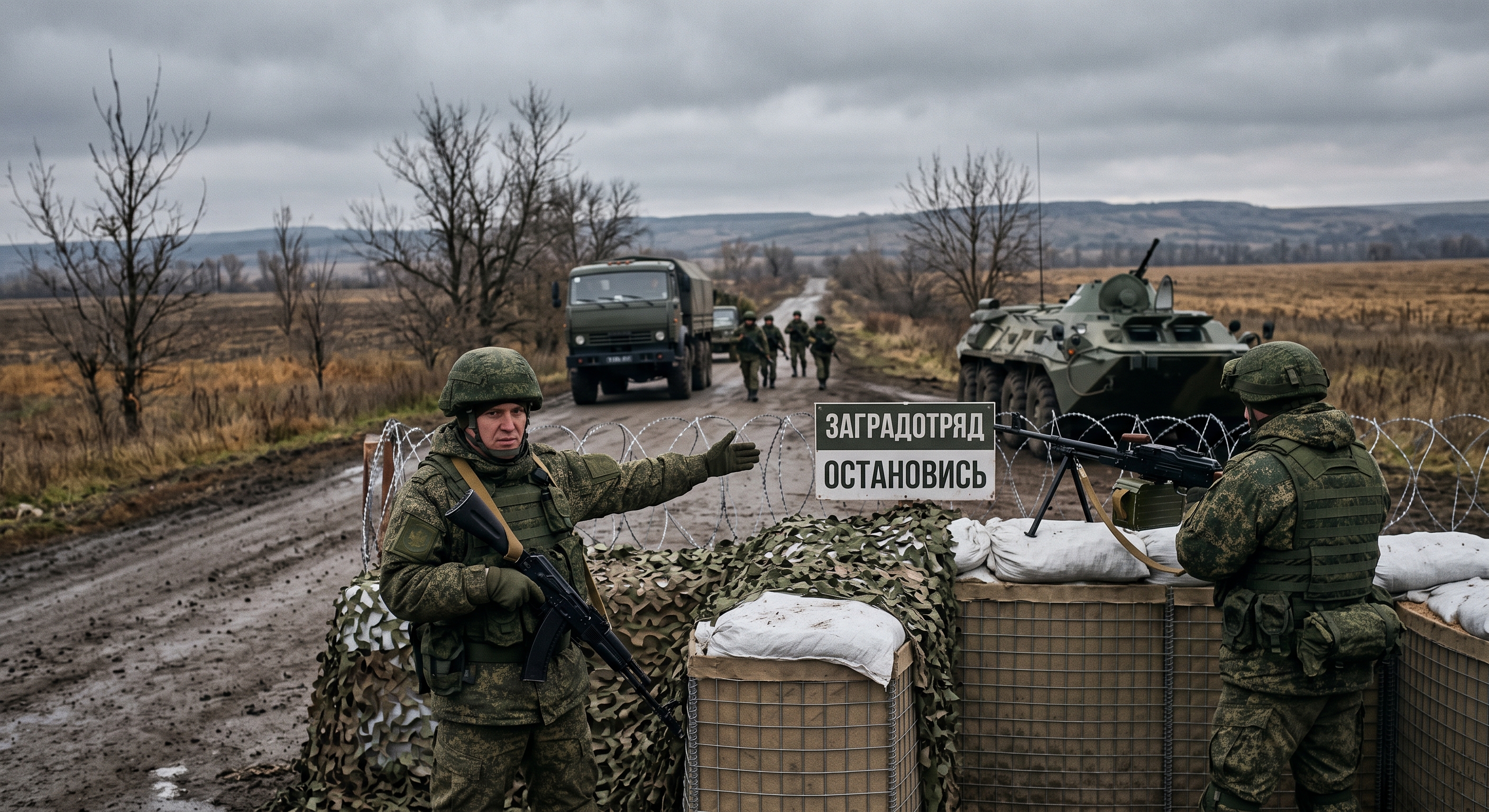
Faced with sagging morale, unauthorized tactical retreats, and surrenders, the leadership of the 9CAA has resorted to extreme measures: the activation of rear-echelon blocking detachments (zagradotryady).
Positioned along the key supply arteries out of Kołogonty-Dolne and in the forested gullies east of the bridgehead, these secondary units—manned by loyalist internal security troops and political elements—are tasked with sealing the rear. Their orders are unambiguous: intercept retreating squads, arrest those attempting to slip away under the cover of river mist, and use lethal force to prevent unauthorized abandonments of frontline positions.
The presence of armed barrier troops at their backs has made the atmosphere inside the 9CAA volatile. Rather than restoring combat discipline, the measure has deepened the paranoia. Frontline soldiers now advance not out of conviction or tactical initiative, but trapped between the lethal anti-armor fire of dug-in Polish infantry on the far bank ahead and the barrels of their own command’s executioners behind them.
As the 9CAA closes the remaining distance to the Czech reception line at the Mravčice bridge, it does so as an army hollowed from the inside—propelled forward by blunt force and terror, teetering on the edge of internal collapse the moment its momentum meets the unyielding fresh defense of the Czech 15th Motorized Battalion.